Understanding Notdusche für Gefahrstofflager
When handling hazardous materials, ensuring the safety of employees is paramount. One of the most critical safety mechanisms is the Notdusche für Gefahrstofflager, essential for immediate decontamination in the event of a chemical spill or exposure. This article delves into the importance of these safety showers in hazardous material storage, their regulatory compliance, maintenance best practices, customization options, and future innovations in the industry.
What is a Notdusche?
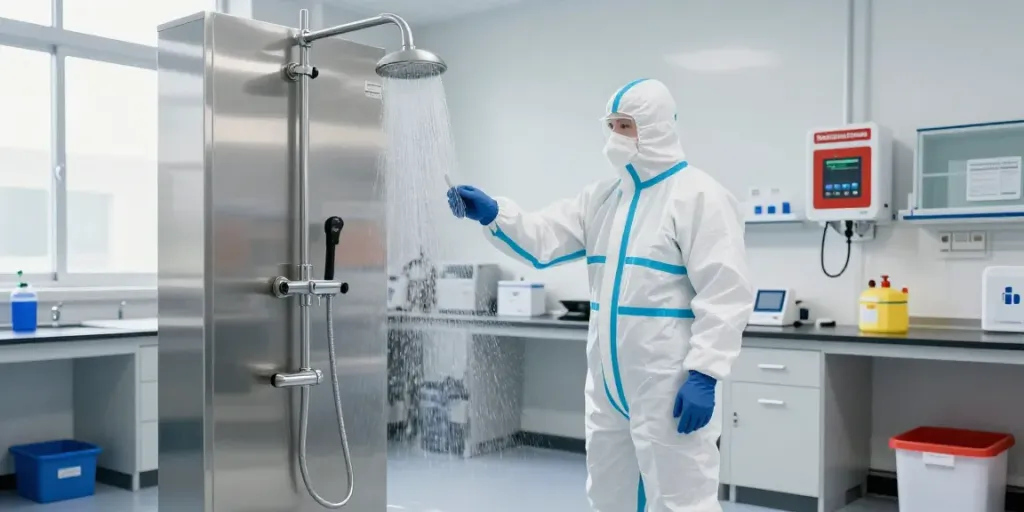
A Notdusche, or emergency shower, is a safety device designed to flush hazardous substances from the body in case of exposure. These systems are essential for environments where employees may come into contact with hazardous chemicals, enabling quick and efficient decontamination. Standard setups often include body showers, eyewash stations, or integrated systems that provide both functionalities. Understanding their operation is crucial for any facility that manages dangerous substances.
The Importance of Notdusche in Hazardous Material Storage
The presence of Notduschen in a hazardous material storage area is not just a recommendation, but a necessity dictated by safety regulations. The primary purpose of these showers is to ensure rapid response to chemical exposure, significantly reducing the risk of severe injuries. In environments like laboratories or manufacturing plants, immediate access to decontamination reduces the time harmful substances remain on the skin, thereby diminishing the risk of burns, irritation, or long-term health effects. These installations are vital for maintaining compliance with occupational health and safety standards.
Regulatory Compliance and Guidelines
Understanding EN and ANSI Standards for Notduschen
Regulatory bodies such as the European Norm (EN) and the American National Standards Institute (ANSI) set stringent guidelines for the installation and maintenance of emergency showers. These standards ensure that Notduschen are adequately designed, placed, and maintained to function effectively during emergencies. Compliance with these regulations not only protects employees but also minimizes liability risks for employers.
How to Ensure Compliance in Your Facility
To guarantee compliance, facilities must conduct regular inspections and maintenance of their Notduschen. This includes verifying that the shower delivers water at the correct temperature, ensuring accessibility within 10 seconds of any hazardous material area, and confirming that all equipment is marked and easily identifiable. Implementing a maintenance log can also help track inspections and repairs.
Common Misconceptions About Safety Regulations
Many organizations operate under the misconception that having the equipment installed suffices for compliance. However, regular maintenance and employee training on the use of these systems are equally crucial. Employers should ensure that staff members are aware of the location of emergency showers and how to operate them effectively during a crisis.
Maintenance and Best Practices
Creating an Effective Maintenance Schedule
Establishing a maintenance schedule is imperative for the effective functionality of Notduschen. This should include daily checks to ensure proper water flow and monthly thorough inspections to identify any potential issues. Documentation of these checks is also essential for regulatory compliance and internal records.
Common Issues and Solutions for Notduschen
- Clogged nozzles: Regular flushing of the system helps prevent clogs caused by sediment accumulation.
- Inadequate water pressure: Check for leaks in the plumbing system and ensure proper pump function.
- Temperature fluctuations: Employ temperature monitoring systems to maintain water within safe limits, adjusting heating or cooling systems as necessary.
Importance of Professional Inspections
While routine checks can catch many issues, professional inspections should be carried out at least once a year. Certified technicians can provide a thorough assessment of compliance with EN and ANSI standards, ensuring the safety systems are in optimal condition.
Customization and Additional Features
Options for Customizing Your Notdusche
Notduschen can be tailored to meet the specific needs of various environments, particularly in hazardous material storage facilities. Custom features may include specialized showerheads designed for unique chemical properties or dual-function systems that combine eyewash features with body showers. This flexibility allows for enhanced safety tailored to the specific risks present in a particular location.
Technological Additions: Alarms and Monitoring Systems
Integrating technological advancements into Notduschen can improve response times during emergencies. For instance, alarms can alert personnel in case of a spill, while monitoring systems can notify management when maintenance is due or if there are any malfunctions in the system. These smart systems enhance overall safety and ensure quick access to emergency protocols.
Enhancing Safety with Optional Equipment
Facilities can also improve the functionality of their Notduschen with additional equipment such as:
- Emergency lighting: Ensures visibility during power outages or low light conditions.
- Containment trays: Capture runoff water and hazardous materials, preventing further contamination of the area.
- Signage: Clear, visible indications of Notduschen locations and instructions can improve user response times during emergencies.
Future Trends and Innovations in Safety Showers
Predictions for Notdusche Technology by 2026
As we look toward 2026, innovations in Notdusche technology are expected to focus on enhanced user interactivity and smart capabilities. This may include AI-driven systems that provide real-time data analysis on chemical exposure incidents, helping facilities improve their emergency response procedures.
Emerging Materials and Designs in the Industry
Advancements in materials science are likely to lead to the development of more durable and resistant components. For instance, biodegradable plastics could be introduced to reduce environmental impact while maintaining compliance with safety standards. Additionally, designs that integrate seamlessly into existing infrastructures will promote greater adoption rates among industries.
Adapting Your Safety Protocols for Future Needs
Businesses will need to stay agile, adapting their safety protocols as technology and regulations evolve. This includes regular training updates for employees, securing continuous feedback loops for improvement, and keeping abreast of industry standards to ensure facilities remain compliant and safe.
When are Notduschen required?
Notduschen are required in workplaces where employees handle hazardous materials, as specified by national and international safety regulations. This includes laboratories, manufacturing plants, and chemical storage facilities.
Are Notduschen mandatory in laboratories?
Yes, Notduschen are mandatory in laboratories where chemicals that pose hazards to skin or eyes are used. Compliance with local regulations ensures that all safety measures are in place to protect staff from harmful exposures.
What are the regulations for eyewash stations?
Eyewash stations must be positioned within a specific distance from hazardous materials and must provide a continuous flow of water at a temperature that is safe and comfortable for users. Additionally, the eyewash must be located in a well-lit area and maintained according to regulatory standards.
How to maintain a Notdusche effectively?
Effective maintenance of a Notdusche involves regular inspections, flushing the system to prevent sediment buildup, and adhering to a documented maintenance schedule. Facilities should also ensure all staff are trained in proper usage and emergency protocols.
What certifications should I look for in Notduschen?
Look for certifications from recognized safety organizations such as ANSI, EN, and any applicable local regulatory bodies. These certifications ensure that the equipment meets stringent safety and performance standards.